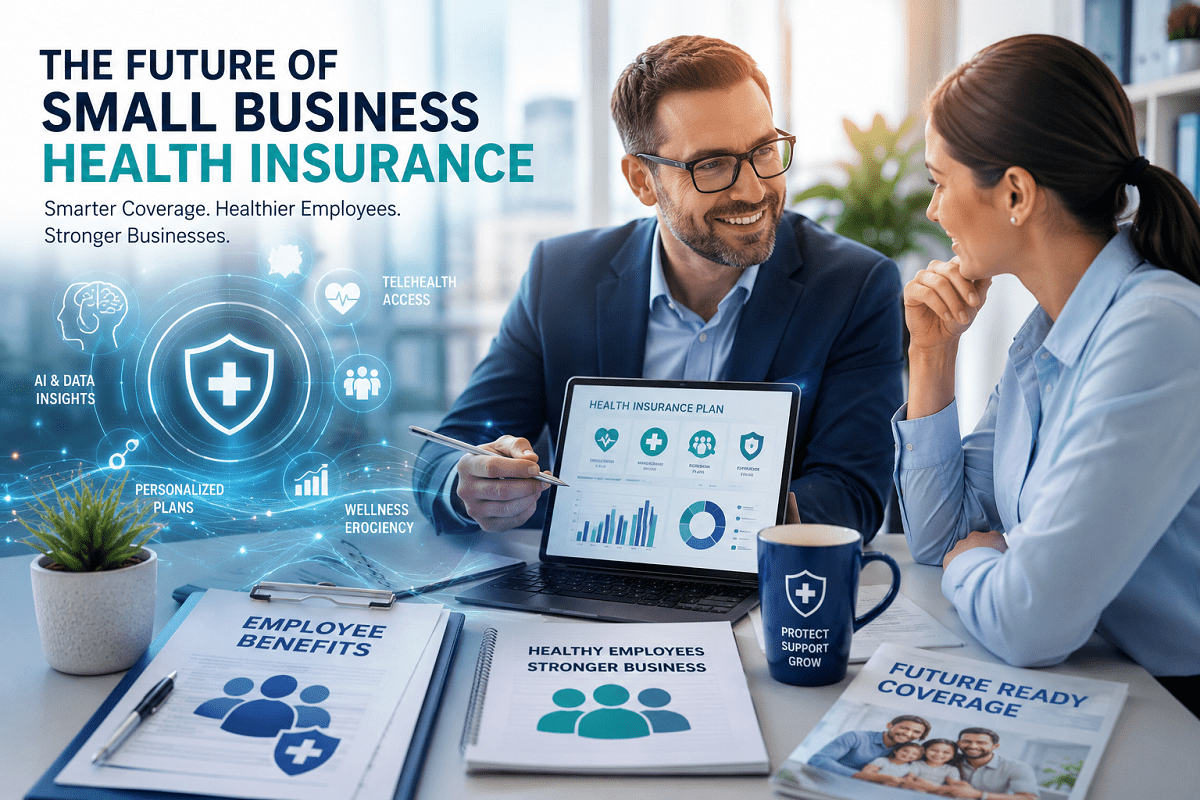
The future of small business health insurance is changing faster than ever before. As healthcare costs continue to rise and employee expectations evolve, small businesses are searching for smarter, more flexible, and affordable insurance solutions. In 2026, health insurance is no longer just an employee benefit — it has become a strategic investment that helps companies attract talent, improve productivity, and remain competitive.
Modern businesses are embracing digital healthcare tools, personalized insurance plans, telemedicine services, AI-powered insurance management, and flexible employee wellness programs. At the same time, governments and private insurance providers are introducing innovative solutions that make coverage more accessible for startups and growing companies.
In this complete guide, we will explore the future of small business health insurance, emerging trends, cost-saving strategies, digital transformation, and how small businesses can prepare for the next generation of healthcare coverage.
Why Small Business Health Insurance Matters More Than Ever
Health insurance has become one of the most important benefits employees consider before accepting a job offer. Many workers prioritize healthcare coverage even more than salary increases.
For small businesses, offering health insurance provides several advantages:
- Attracting skilled employees
- Reducing employee turnover
- Improving workplace productivity
- Building a stronger company reputation
- Supporting employee well-being
- Receiving potential tax benefits
As the workforce becomes more health-conscious, businesses that fail to provide competitive healthcare benefits may struggle to retain talent.
The Rising Demand for Affordable Small Business Health Insurance
One of the biggest challenges small businesses face is the increasing cost of healthcare. Many business owners worry about balancing quality coverage with limited budgets.
Fortunately, the insurance industry is evolving rapidly to meet these challenges. Insurance providers are creating more affordable and customizable plans designed specifically for startups and small companies.
Popular search keywords growing in 2026 include:
- affordable small business health insurance
- group health insurance plans
- low-cost employee healthcare coverage
- small business insurance quotes
- employee wellness programs
- telehealth insurance benefits
- workers compensation insurance
- business liability insurance
Businesses that understand these trends can make smarter financial decisions while keeping employees satisfied.
Technology Is Transforming Small Business Health Insurance
Technology is playing a major role in reshaping healthcare coverage.
AI-Powered Insurance Platforms
Artificial intelligence is making insurance management faster and easier for business owners.
AI tools now help with:
- Comparing insurance plans
- Predicting healthcare costs
- Managing employee enrollment
- Detecting fraud
- Automating claims processing
These innovations reduce paperwork and administrative costs.
Digital Insurance Marketplaces
Modern insurance marketplaces allow small business owners to compare policies online instantly.
Benefits include:
- Faster quote comparisons
- Transparent pricing
- Online enrollment
- Flexible payment options
- Easy plan customization
This digital transformation saves time and helps businesses find affordable health insurance plans.
Telemedicine Will Continue Growing
Telemedicine has become one of the biggest healthcare trends worldwide.
Employees can now consult doctors remotely using smartphones or computers. This reduces healthcare costs and increases convenience.
Benefits of Telehealth for Small Businesses
Reduced Medical Expenses
Virtual doctor visits are often cheaper than in-person appointments.
Improved Employee Productivity
Employees spend less time traveling to clinics.
Better Access to Healthcare
Remote workers can access medical support from anywhere.
Faster Medical Assistance
Employees receive treatment more quickly.
Many future health insurance plans will include telemedicine as a standard feature.
Personalized Health Insurance Plans
The future of health insurance is highly personalized.
Instead of offering identical coverage for every employee, businesses are moving toward flexible insurance options tailored to individual needs.
Employees may soon choose customized benefits such as:
- Mental health support
- Dental insurance
- Vision coverage
- Maternity care
- Chronic disease management
- Fitness memberships
- Wellness rewards
This personalized approach increases employee satisfaction while helping businesses control costs.
Group Health Insurance Will Remain Popular
Group health insurance continues to be one of the best solutions for small businesses.
Why Group Plans Are Important
Group insurance helps reduce overall risk because multiple employees share the insurance pool.
Advantages include:
- Lower premiums
- Better coverage options
- Easier policy management
- Improved employee retention
In the future, group plans may become even more flexible, allowing employees to choose from multiple healthcare packages within the same company plan.
The Role of Employee Wellness Programs
Insurance companies are increasingly rewarding businesses that prioritize employee wellness.
Modern wellness programs may include:
- Fitness incentives
- Mental health counseling
- Stress management training
- Smoking cessation programs
- Healthy lifestyle rewards
Healthy employees generally submit fewer insurance claims, reducing long-term insurance costs for employers.
Mental Health Coverage Is Becoming Essential
Mental health awareness has increased dramatically in recent years.
Employees now expect insurance plans to include:
- Therapy sessions
- Anxiety treatment
- Depression counseling
- Stress management support
- Burnout prevention resources
Businesses that provide strong mental health benefits often experience:
- Higher employee satisfaction
- Lower absenteeism
- Improved morale
- Better productivity
Mental healthcare will likely become a standard component of future insurance plans.
Flexible Workforces Require Flexible Insurance
Remote work and hybrid work models are changing how businesses approach healthcare benefits.
Companies now employ:
- Remote workers
- Freelancers
- Part-time employees
- International contractors
Traditional insurance systems were designed mainly for office-based employees. Future insurance models are adapting to support flexible work arrangements.
Emerging Insurance Solutions
Future policies may offer:
- Portable health benefits
- Freelancer healthcare coverage
- Global telemedicine access
- Digital healthcare management apps
This flexibility is especially important for modern startups and online businesses.
Rising Popularity of Health Savings Accounts (HSAs)
Health Savings Accounts are becoming increasingly popular among small businesses.
HSAs allow employees to save tax-free money for medical expenses.
Benefits of HSAs
Lower Premium Costs
High-deductible plans usually have lower monthly premiums.
Tax Advantages
Both employers and employees receive tax benefits.
Employee Ownership
Employees keep unused HSA funds year after year.
As healthcare costs rise, HSAs are expected to become more common in small business insurance plans.
Workers Compensation Insurance Will Continue Evolving
Workers compensation insurance remains critical for businesses with employees.
Future workers compensation systems may include:
- AI-powered injury prevention
- Real-time workplace safety monitoring
- Faster claim approvals
- Wearable safety technology
- Predictive risk analysis
Technology will help businesses reduce workplace injuries and lower insurance premiums.
Cybersecurity and Health Data Protection
As health insurance becomes increasingly digital, cybersecurity is becoming more important.
Insurance providers handle sensitive employee information such as:
- Medical records
- Social security numbers
- Payment details
- Prescription history
Future insurance systems will invest heavily in:
- Encrypted data storage
- Multi-factor authentication
- AI fraud detection
- Secure cloud platforms
Businesses should prioritize insurance providers with strong cybersecurity practices.
Small Business Liability Insurance and Healthcare Integration
Many businesses now combine health insurance with broader business protection.
Bundled coverage may include:
- General liability insurance
- Public liability insurance
- Commercial auto insurance
- Workers compensation insurance
- Cyber liability coverage
Bundling policies can reduce costs and simplify insurance management.
Small Business Insurance Costs in the Future
Healthcare costs are expected to continue rising globally.
However, technology and competition may help businesses save money through:
- Digital insurance platforms
- Preventive healthcare
- Telemedicine
- AI automation
- Wellness incentives
Businesses that proactively manage employee health may receive lower insurance rates in the future.
How Small Businesses Can Prepare for the Future
Preparing early can help businesses stay ahead of healthcare trends.
1. Embrace Digital Insurance Tools
Use online platforms to compare policies and manage employee benefits efficiently.
2. Focus on Employee Wellness
Healthy employees reduce long-term healthcare expenses.
3. Offer Flexible Benefits
Allow employees to customize healthcare plans based on their needs.
4. Review Insurance Policies Annually
Healthcare trends and employee needs change regularly.
5. Educate Employees About Benefits
Employees should fully understand how to use their healthcare plans.
The Impact of AI on Healthcare Insurance
Artificial intelligence is expected to completely transform the insurance industry.
AI may soon help with:
- Personalized insurance pricing
- Faster claims processing
- Predictive healthcare analytics
- Virtual healthcare assistants
- Fraud prevention
These innovations will make insurance services more efficient and user-friendly.
Sustainability and Green Healthcare Initiatives
Environmental sustainability is also influencing healthcare systems.
Future insurance companies may support:
- Paperless digital systems
- Eco-friendly healthcare facilities
- Virtual healthcare appointments
- Reduced transportation emissions
Sustainable healthcare practices may reduce operational costs over time.
Why Small Businesses Must Adapt Quickly
Businesses that ignore healthcare trends risk losing employees to competitors with better benefits.
Modern workers value:
- Affordable healthcare
- Mental health support
- Flexible benefits
- Remote healthcare access
- Wellness incentives
Companies that adapt early will have a stronger competitive advantage.
The Future of Employee Benefits Beyond Insurance
Employee benefits are expanding far beyond traditional medical coverage.
Future benefit packages may include:
- Financial wellness programs
- Student loan assistance
- Childcare support
- Remote work stipends
- Fitness memberships
- Personalized healthcare coaching
These expanded benefits improve employee loyalty and workplace culture.
Best Industries Benefiting From Modern Health Insurance
Several industries are rapidly adopting advanced healthcare benefits:
- Technology companies
- E-commerce businesses
- Remote service providers
- Healthcare startups
- Educational institutions
- Digital marketing agencies
- Small retail businesses
Businesses in competitive industries often use healthcare benefits to attract top talent.
Final Thoughts
The future of small business health insurance is becoming more digital, flexible, personalized, and employee-focused. Businesses that embrace modern healthcare solutions will gain a major advantage in attracting and retaining skilled workers.
Emerging technologies like artificial intelligence, telemedicine, wearable health devices, and digital insurance platforms are reshaping how businesses manage healthcare benefits.
At the same time, employees increasingly expect comprehensive wellness support, mental health coverage, and flexible healthcare options.
Small businesses that invest in smarter insurance strategies today will be better prepared for tomorrow’s rapidly changing business environment.
By combining affordable health insurance, wellness initiatives, liability protection, and modern digital tools, companies can build healthier workplaces and stronger long-term success.
Frequently Asked Questions (FAQs)
What is the future of small business health insurance?
The future of small business health insurance includes AI-powered platforms, telemedicine, personalized coverage, digital enrollment systems, and employee wellness programs designed to reduce costs and improve healthcare access.
Why is health insurance important for small businesses?
Health insurance helps attract employees, improve retention, increase productivity, and provide financial protection for workers and employers.
What are the latest trends in small business health insurance?
Current trends include telehealth services, mental health coverage, wearable health technology, customizable plans, and digital insurance management platforms.
How can small businesses reduce health insurance costs?
Businesses can reduce costs by promoting wellness programs, comparing insurance quotes regularly, using telemedicine services, and bundling insurance policies.
What is group health insurance for small businesses?
Group health insurance allows businesses to provide healthcare coverage to multiple employees under one policy, often at lower costs than individual plans.
Will AI change the insurance industry?
Yes. AI is expected to improve claims processing, fraud detection, healthcare analytics, customer service, and personalized insurance pricing.
What benefits do employees want most in 2026?
Employees increasingly value health insurance, mental health support, flexible work arrangements, wellness incentives, telemedicine access, and personalized healthcare benefits.
Is telemedicine included in future insurance plans?
Yes. Many modern insurance plans already include telemedicine services, and it is expected to become a standard feature in future healthcare coverage.
”The Future of Small Business Health Insurance” , [The Future of Small Business Health Insurance] , {The Future of Small Business Health Insurance} , The Future of Small Business Health Insurance, The Future of Small Business Health Insurance, The Future of Small Business Health Insurance, The Future of Small Business Health Insurance, The Future of Small Business Health Insurance, The Future of Small Business Health Insurance, The Future of Small Business Health Insurance, ”small business auto insurance”, Business Insurance, group health insurance for small business, small business insurance companies, small business insurance quotes, workers compensation insurance for small business